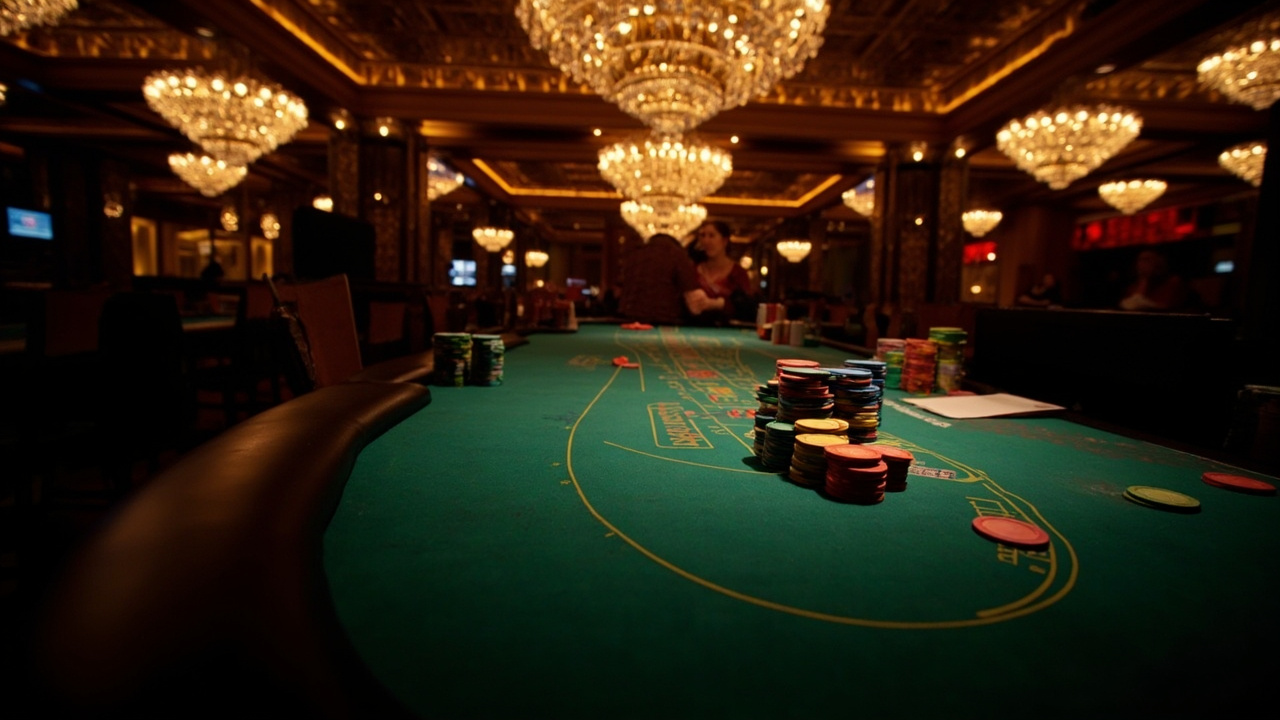

Roulette strategy for neighbours bets has become a regular talking point on Melbourne casino floors, especially when punters want to cover a specific segment of the wheel without spreading chips too thin. The approach sounds simple on paper, but the execution asks for discipline, bankroll control, and a clear read on the table layout before a single chip lands. For locals who treat the game like a measured session rather than a quick thrill, the neighbours concept can sharpen focus and keep exposure predictable.
Understanding the Neighbours Concept
A neighbours bet works by placing chips on a chosen number plus the two or four pockets sitting closest to it on the wheel, which creates a tight coverage zone around a single outcome. The idea is not to chase every spin or cover the entire layout, but to build a small ring of outcomes that reflects where a player thinks the ball is most likely to settle. On a double-zero table, the physical wheel order matters more than the sequential numbers on the felt, so a proper read starts with the wheel itself rather than the betting grid.
That distinction matters because a rushed read of the layout can turn a focused wager into a scattered one. A player who picks a target number and then blindly adds neighbours without checking the wheel sequence can end up covering pockets that were never part of the original plan. The same discipline shows up in product work I have done around iGaming markets, where a clear user journey beats a crowded feature list every time. A layout that asks for too many decisions at once usually pushes players into sloppy habits, and roulette is no different when the betting area starts to look busy. If you want a cleaner comparison of how table choices and session habits interact, pokies 74 net australia is one place where Aussie players can see how different casino products frame the same kind of decision-making. pokies 74 net australia
Building the Bet in Practice
The practical side starts with choosing a target number that feels grounded in the session rather than picked at random off the bat. Some players track recent results for a few spins, others lean on a fixed favourite, and the point is to settle on one pocket before thinking about the surrounding numbers. Once that target is set, the neighbours are added in a way that matches the table rules and the chip value the player is comfortable carrying into the round.
A common mistake is to treat the neighbours ring as a guarantee rather than a narrow coverage tool. The bet narrows the field, but it does not remove variance, and the bankroll still has to absorb the normal swings that come with any roulette session. That is where a measured pace matters more than a big plan. In my experience working across global betting-market growth, the sessions that hold together are the ones where the operator and the player both understand the product limits before the first spin lands. The same logic applies here: know the table minimum, know the chip value, and do not let a hot streak convince you that the pattern has changed overnight.
Zoe Watson, Head of Analytics, Waratah Digital Group, puts it plainly when she looks at how players behave around structured bets: “The neighbours approach works best when a player treats it as a defined slice of the session, not a workaround for poor bankroll control.”
James Henderson, Digital Acquisition Director, Koala Digital Group, is equally direct about the temptation to overbuild a wager: “Players who stack too many surrounding numbers often lose the original point of the bet, which is to keep exposure tight around one target.”
Player Fit and Session Habits
The strategy suits players who want a structured way to play a small section of the wheel without spreading their chips across the entire layout. It is less appealing for anyone looking for a broad, low-focus session where the goal is simply to cover as much of the table as possible. The neighbours approach asks for a target, a clear chip value, and a willingness to accept that a miss still costs the same as any other spin.
For Melbourne punters playing in the arvo or late at night, the fit often comes down to temperament more than maths. A player who is comfortable with a narrow focus and a steady pace can use the bet to keep the session organised, while someone chasing a fast result may find the structure too restrictive. No worries if the table does not suit the style, because the point is to match the wager to the session rather than force a tactic onto the wrong game.

The neighbours concept works best as a deliberate tool, not a default way to play every round. When the target is chosen with some thought, the chip value is set before the spin, and the surrounding numbers are added with discipline, the bet gives a player a clear frame for a small section of the wheel. It does not remove the randomness, and it does not turn roulette into a sure thing, but it can keep a session focused in a way that many wider betting patterns do not.